Crypto Scams and How to Stay Safe Today

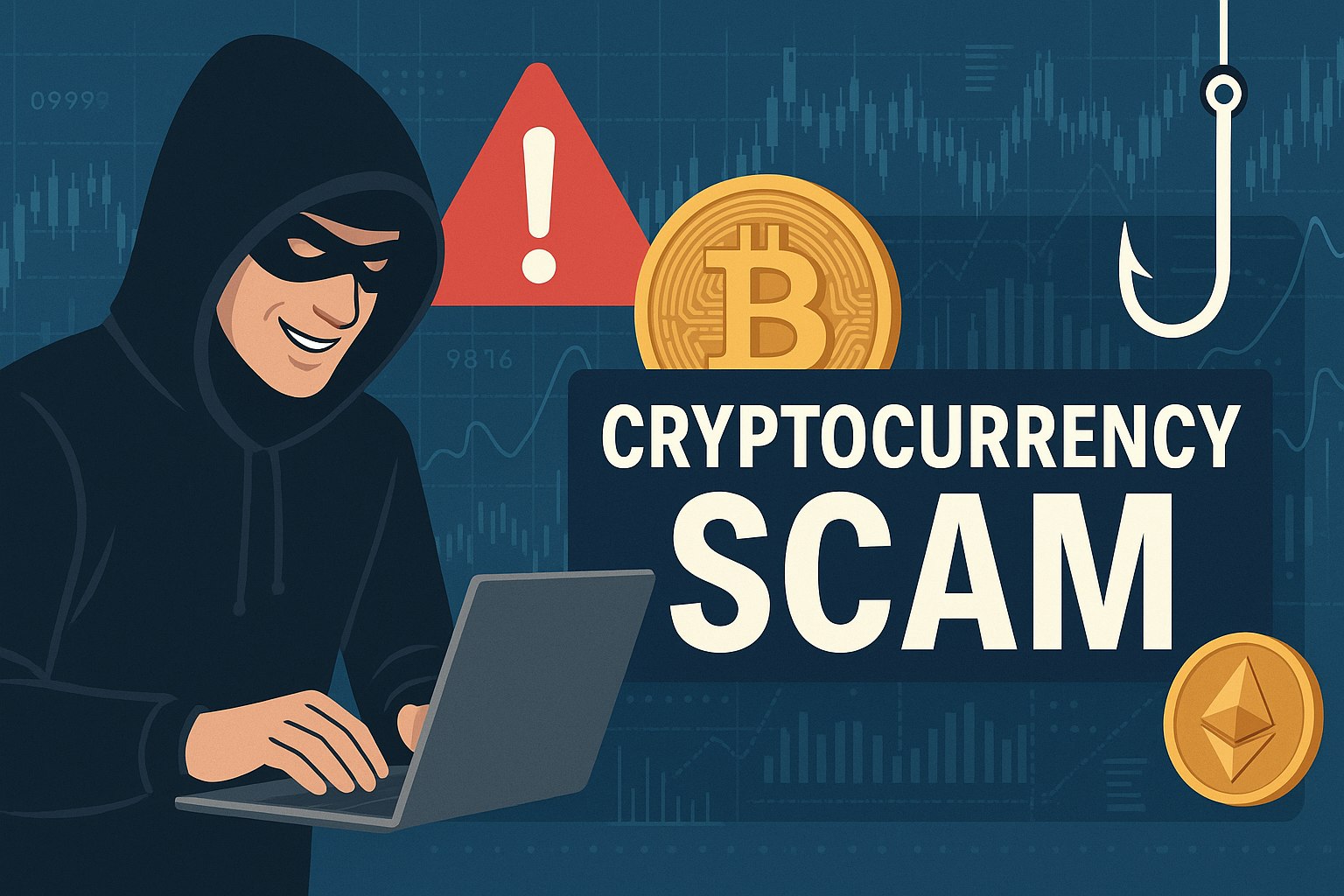
Crypto scams stole over five billion dollars from normal people last year. You send your money to a neat website, and a few days later, the money is gone forever. Nobody can call a bank to get those coins back.
Staying safe in crypto is not about being a tech genius. It just means knowing the tricks bad people use and keeping your private codes to yourself. Once you see how these traps work, you can spot them long before you lose a single cent.
The Fake Website Trap
You want to check your coins, so you type a web address fast. You hit enter and click the top link on your screen. The site looks just like your usual exchange, down to the bright green button. You type your password, but nothing happens.
That site was a copy built to steal your login. Bad actors pay for ads on search engines so their fake links sit right at the top. When you type your info, the scammer gets it instantly. They log into your real account and move your money out in seconds.
Check the address bar every single time. Scammers change one letter in the web address, like using an "m" instead of an "rn". Save your real crypto sites as bookmarks in your browser. Never click sponsored links in search results when you want to log in.
Fake Helpers in Your Direct Messages
You ask a simple question in a chat group for a crypto project. Two minutes later, someone with a friendly face sends you a private message. Their profile picture shows the official logo of the app you are using. They offer to fix your problem right away.
This person does not work for the app. Real support staff will never message you first in a private chat. The scammer will send you a link to a fake form. The form asks for the secret seed words that protect your cash.
Never share your seed phrase with anyone on Earth. If you give someone those twelve or twenty-four words, they own your wallet. If you want to understand how those words control your funds, read this guide on What Is Blockchain and How Does It Work to see how the ledger keeps track of ownership.
The Promise of Free Money and Easy Rich
A video pops up on your social feed showing a famous billionaire. The voice says they are giving away coins to celebrate a big day. If you send one coin to an address on the screen, they will send two coins back to you.
This is always a trick. Scammers use old videos or fake audio generated by computers to fool you. No real business gives away free money by asking you to send cash first. Once your coins leave your wallet, they go straight to a scammer.
Watch out for messages that urge you to act fast. Scammers tell you that you only have five minutes left to claim your reward. They want you to panic so you stop thinking clearly. Take a deep breath and walk away from any deal that feels too good to be true.
Fake Apps on Your Mobile Phone
You open your phone store to get a popular crypto wallet app. You type the name, hit install, and set up your account. The app looks clean and works fine for two days. Then, all your stored coins vanish without a trace.
Fake apps slide into real app stores every week. They copy the names and logos of real tools to trick beginner users. They wait until you put money inside, then their hidden code steals everything you saved.
Look at the download count before you tap install. A real wallet app usually has millions of downloads and thousands of user reviews. A fake app will only have a few hundred downloads. Always go to the official website of the project first and click their direct download link.
How Do Pig Butchering Scams Work?
A stranger sends a wrong-number text to your phone by accident. They act polite, say sorry, and keep the chat going. Over three weeks, you talk about your pets, your job, and your daily life. They build trust slowly and feel like a real friend.
Then, they talk about how much money they make trading Cryptocurrency. They show you pictures of nice cars or big houses. They offer to teach you their secret system on a special trading site.
You start small with one hundred dollars. The site shows your balance growing to two hundred dollars. You try to withdraw fifty dollars, and it works. Now you feel safe, so you deposit five thousand dollars from your savings.
When you try to take that big sum out, the site blocks you. They demand you pay a fake tax or a security fee first. You pay the fee, but they ask for more. You never get your money back because the trading site was fake from the start.
Five Golden Rules to Protect Your Coins
You do not need to feel scared when exploring crypto. You just need to build good security habits from day one. You can learn more about safe setups by exploring our page on crypto basics for beginner investors.
First, get a hardware wallet if you hold more money than you can afford to lose. A hardware wallet is a tiny physical device, like a flash drive, that keeps your keys off the internet.
Second, turn on two-step login for every exchange account. Use an authenticator app on your phone instead of text messages. Scammers can steal your phone number, but they cannot steal your phone screen easily.
Third, never click links in unexpected emails. If your exchange sends an alert about your account, open a fresh browser tab and log in yourself. Never use the link inside the email message.
Fourth, treat every private message from a stranger as a potential scam. If a friend sends a message asking for crypto, call them on the phone to check their voice. Scammers hack real social media accounts to target friends.
Fifth, write your seed phrase on paper with a pen. Store that paper in a safe place away from water and fire. Never type those words into a computer, photo, or cloud storage drive.
What Should You Do If You Get Scammed?
If you fall for a trap, you must act fast to protect what is left. Disconnect your wallet from the internet immediately. Move any remaining coins to a totally new wallet address that you just created on a clean device.
Change your passwords for your email and exchange accounts right away. Call your bank if you shared your credit card or bank details on a fake site. They can block your cards before scammers drain your cash balance.
Report the incident to your local police and your national cyber crime agency. If you live in the United States, you can file a report with the FBI Internet Crime Complaint Center. While getting coins back is rare on the Blockchain, reporting helps law agencies track down bad actors over time.
Be careful of fake recovery services. Scammers monitor chat boards for victims who lost money. They promise to hack the scammer and get your coins back for an upfront fee. These are just second-wave scams designed to take even more money from you.
Stay calm, learn from the mistake, and double-check every step you take in the future. Which security step will you set up on your accounts today?


Comments
Post a Comment