How Crypto Exchanges Work When You Buy or Sell

Crypto exchanges match people who want to buy digital coins with people who want to sell them. Most people think an exchange works like a normal store, but it does not. You are almost never buying your coins directly from the company running the website.
Instead, the platform acts like an organized marketplace. It takes orders from millions of people, pairs buyers with sellers, holds onto the money while the trade happens, and takes a small cut for doing the work. Once you see how this engine runs, trading makes a lot more sense, and you will understand the real risks to your cash.
What is a crypto exchange and what does it do?
Think of an exchange like a busy farmer's market. The person who owns the open lot does not grow the apples or bake the bread. They simply set up the tables, hire security guards, check tickets at the door, and make sure buyers find sellers easily.
A crypto exchange does the exact same thing on the internet. It provides a website where buyers post what they want to pay, and sellers post what they want to get. When two people agree on a price, the platform swaps the coins and cash between their accounts instantly.
You can trade regular fiat money, like US dollars or euros, for digital assets like Bitcoin. You can also trade one digital coin for another, like swapping an altcoin for a dollar-pegged token. If you want to avoid price swings during a trade, you might read about Stablecoins Explained Simply: What They Are and How They Work before you jump into volatile markets.
There are two main flavors of platforms in the market today: centralized exchanges and decentralized exchanges. Most people start on a centralized platform because it feels familiar, like a normal bank app with a password and an email login.
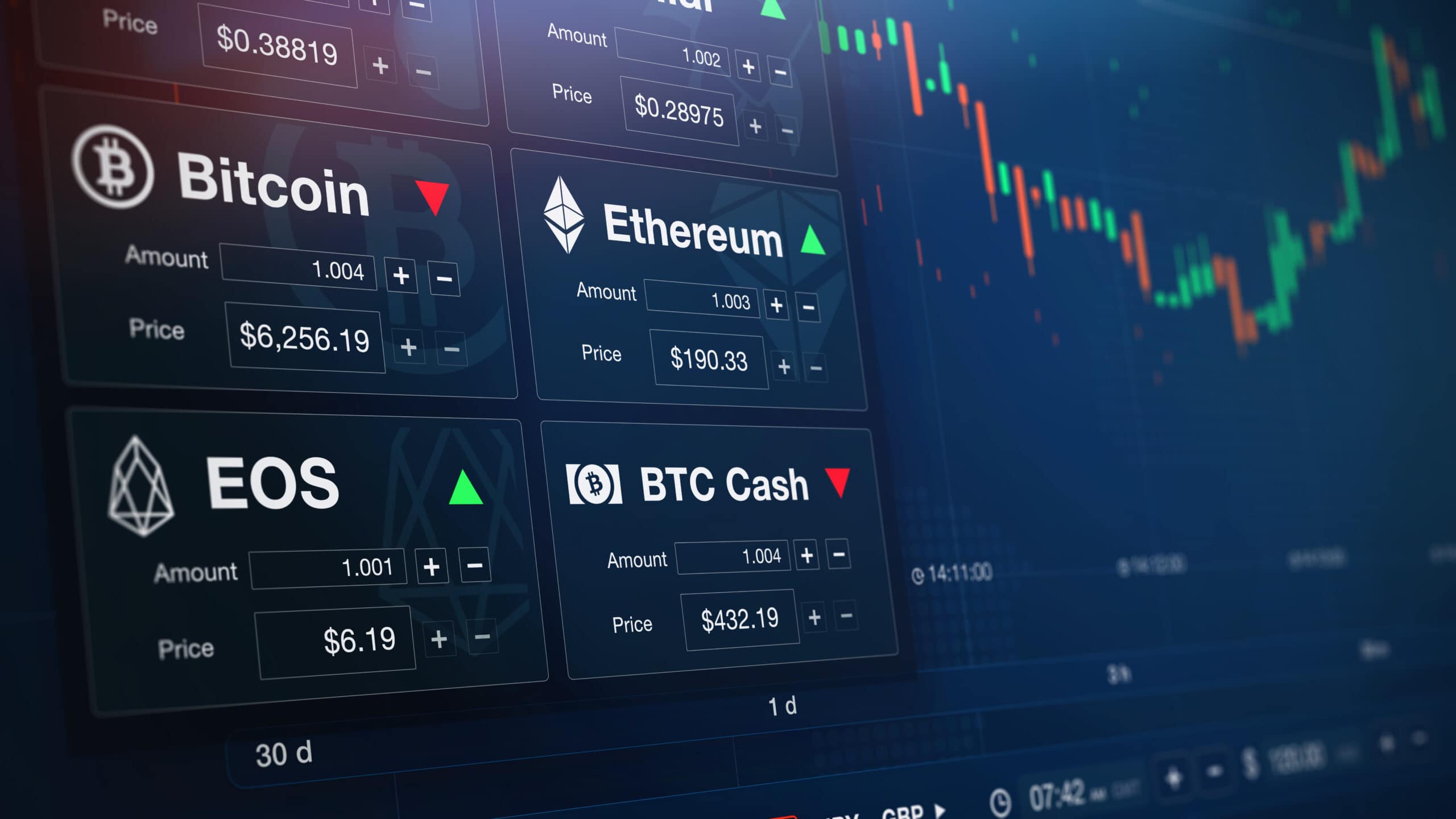
The order book: how prices are actually set
Have you ever watched the price of a coin tick up and down every two seconds on your phone screen? That is not set by a boss in a back office. It happens through something called an order book.
An order book is a running list of buy orders and sell orders. Buyers state the highest price they will pay, called a bid. Sellers state the lowest price they will take, called an ask. The gap between these two numbers is called the spread.
Imagine Bob wants to sell 1 coin for 100 dollars. Alice wants to buy 1 coin, but she only wants to pay 98 dollars. Right now, nothing happens. They sit on the board. Then Charlie comes along and says he will pay 100 dollars right now. Charlie gets Bob's coin, and the latest public price of that coin becomes 100 dollars.
When millions of people place these orders at once, computers match them in fractions of a second. This explains why prices jump around so fast. If lots of buyers place orders all at once, they chew through the cheap sell orders quickly. The next available seller wants a higher price, so the public number ticks up.
You will usually see two basic ways to place an order:
- Market order: You buy or sell immediately at whatever price is available right this second. It is fast, but you might pay slightly more than you thought.
- Limit order: You pick your exact price and wait. If the market reaches your number, your trade fills. If not, your order just sits there.
If you are new, stick to basic limit orders when you can. They help you stay calm and avoid paying extra fees or bad rates during wild market swings.
What happens the second you tap the buy button?
When you click buy on your screen, you might think the site sends data out to the main public network right away. It actually does not. That would be far too slow and cost too much in network fees.
Instead, the platform updates an internal ledger on its own private computers. Think of it like a giant digital spreadsheet. When you buy 50 dollars worth of digital currency, the exchange simply subtracts 50 from your cash column and adds the coins to your crypto column.
The actual coins never move across the public Blockchain during this step. They stay pooled together in huge storage wallets owned by the exchange company. You just hold an IOU inside their software. This allows trades to happen instantly with tiny fees, but it also means you are trusting the company to actually keep the coins safe on their side.
When you eventually withdraw your coins to a private device in your house, that is when an actual on-chain transaction takes place. The exchange takes coins out of its pool and sends them to your personal address. You can read our crypto basics guides to understand how private addresses and personal keys work together.
How do crypto exchanges make money?
Companies do not run these complex websites for free. They make money through several clear paths, and knowing these helps you pick a cheaper place to trade.
Trading fees are the biggest income source. Every time you swap cash for crypto, the platform takes a tiny slice, often between 0.1 percent and 0.5 percent of the total trade size. If you trade 1,000 dollars, they might keep two to five dollars. That does not sound like a lot, but multiply it by hundreds of thousands of daily trades, and it adds up to millions of dollars every week.
Deposit and withdrawal fees are another way they earn. While putting money in from your bank is often free, taking cash or coins out usually costs money. Some exchanges charge a flat fee when you pull funds out to your personal bank, while others charge a markup on network transfer fees.
Many big platforms also make money on the spread. When a site offers a quick buy feature with zero fees, look closely at the price. They are usually selling the coin to you for one or two percent above the real market price. You pay for the convenience without noticing a separate fee line on the screen.
Custodial versus non-custodial: the biggest safety choice
When you keep your money on a standard exchange, you are using a custodial service. Custody means someone else holds the physical keys to the vault. You have a username and password, but the company holds the actual digital assets.
This setup has real perks for everyday people. If you forget your password, you can click a button, check your email, and reset it. If you need help, you can send an email to a support desk. For someone just stepping into Cryptocurrency, that safety net feels comfortable.
The risk is just as real. If an exchange gets hacked, freezes withdrawals, or goes broke due to bad management, your money can vanish overnight. History has shown this multiple times with platforms big and small. Since the exchange holds the master keys to the pool, your funds are only as safe as that company's business practices and security guards.
Non-custodial trading, often called decentralized trading, works differently. You connect your own private wallet directly to a smart contract. No middleman holds your funds, and no company can freeze your account. But if you lose your backup words or send funds to the wrong address, nobody can help you get them back.
Simple habits to keep your money safe on any exchange
If you choose to use an exchange to buy or trade, you should treat it with the same caution as an open wallet on a restaurant table. Never leave large amounts of cash or coins sitting on an exchange account for months.
Always turn on two-factor authentication, but skip text message codes if you can. Hackers can swap your phone number to their own SIM card and steal your SMS codes. Use an authenticator app that generates a fresh six-digit number every thirty seconds on your physical phone.
Make a plan before you deposit a single dollar. Decide how much you want to trade, do the swap, and move the coins you plan to hold long term onto a private wallet that you control. Exchanges are great trading posts, but poor savings banks. Ask yourself today: if the exchange you use closed its website tomorrow morning, would your money be safe?


Comments
Post a Comment